
About the Project
The Peterson Productivity Project is a multi-year initiative focused on productivity: the missing piece for a stronger economy and one of the biggest factors shaping B.C. and Canada’s long-term prosperity. Named for Ryan Peterson, whose vision and generous financial support brought it to life, the project is driven by a bold ambition: for B.C. to become the most productive jurisdiction in the world.
Canada has been falling behind on productivity. Through research, events and public engagement, the project is connecting the pieces to identify practical solutions that strengthen investment, help businesses grow and improve economic performance.
What is Productivity, Really?
When economists talk about productivity, they are often referring to labour productivity: how much real economic output is produced for each hour worked.
Productivity rises when people and businesses use skills, technology, equipment, investment and better ways of working to create more value with the same time and resources.
It is not about asking people to work harder. It is about creating the conditions that allow people and businesses to work smarter, invest more and accomplish more.

What does productivity look like?
Better tools

A mechanic repairs more vehicles with modern equipment.
Better technology

A farmer with GPS equipment can grow more food using the same land.
Better Processes

A hospital reduces paperwork so nurses spend more time with patients.

Canada's Productivity Problem
Canada's productivity growth has fallen behind many of our peers over the past two decades. While other advanced economies have steadily increased output per hour worked, Canada's progress has been much weaker, contributing to slower growth in wages and living standards over time.
Labour productivity across advanced economies
Real GDP per hour worked (USD, PPP adjusted)

From Evidence to Action
We develop ideas, bring people together and build public understanding to move Canada’s productivity conversation forward through three key areas:
-
Research reports, case studies, op-eds and policy analysis that generate new insights and advance policies to strengthen investment, innovation and business growth.
-
Targeted forums that bring leaders from business, government, academia and non-profits together to identify barriers, exchange ideas and learn from real-world experience.
-
Campaigns, videos, articles and digital content that make complex issues accessible and show how productivity affects Canadians’ wages, opportunities and quality of life.

Latest from Project Productivity
Explore our latest research, commentary and insights on strengthening productivity and prosperity in Canada.




Our Productivity Partners
Improving productivity requires long-term collaboration, investment, and commitment.
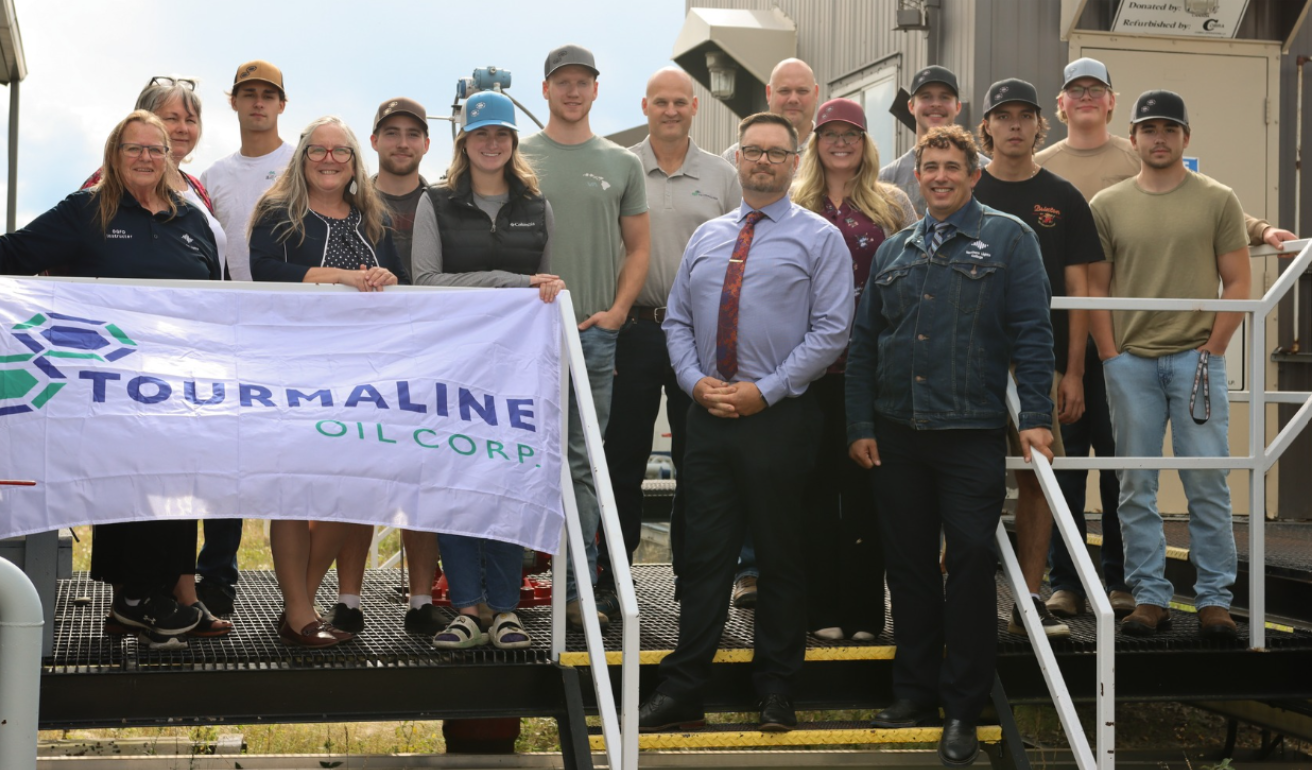
We’re proud to work with our Productivity Partners, whose support is advancing research, meaningful dialogue, and practical solutions in B.C. and across Canada.
Our founding partner, Ryan Peterson, helped launch Project Productivity through a landmark 10-year commitment. We’re grateful for that leadership and welcome other organizations that share our vision.